Trauma and post-traumatic stress counselling in Vancouver

In-person counselling in Vancouver & online across BC

Trauma & Post-Traumatic Stress Counselling in Vancouver

Some experiences may be in the past,
but the fear, tension, or pain you cannot fully explain
may still be held in your body and emotions.

If you find it hard to truly relax, feel easily triggered, or do not know why you have been holding everything together for so long, these responses make sense.

Book a Free 20-Minute Consultation

Trauma counselling in Vancouver for emotional hurt, attachment wounds, and relationship pain

If this feels familiar

Some experiences may be over,
but your body and emotions may still be holding on

Some experiences stay with us, even after they are over. The fear, pain, or sense of unease may still show up in certain moments.

From an Emotionally Focused Therapy and attachment-based perspective, trauma is not only about what happened. It is also about whether someone was there to understand, protect, or stay with us when we felt hurt, scared, alone, or overwhelmed.

Some wounds may come from being dismissed, ignored, left to cope alone, or feeling unsafe in an important relationship. These experiences can slowly shape how we see ourselves, how we trust others, and how we protect ourselves in close relationships.

You may notice that you feel more tense, more sensitive to changes around you, or more likely to avoid certain memories, feelings, or conversations.

Sometimes, it is hard to explain why you feel this way. You may simply feel like your body has not fully relaxed in a long time.

If you recognize yourself in this, your responses make sense. They do not mean there is something wrong with you.

You do not have to rush yourself to change. Having a safe space to talk, feel understood, and move at your own pace can be a meaningful place to begin.
A gentle reminder

“Every human being has a true, genuine, authentic self. Trauma is the disconnection from it, and healing is the reconnection to it.”

— Dr. Gabor Maté

You may not be “overreacting” — something may have truly hurt you

Everyone responds differently after being hurt. Some experiences may look like they are in the past, but your body, emotions, and sense of safety in relationships may still remember the fear, loneliness, or helplessness from that time.

From an Emotionally Focused Therapy and attachment-based perspective, trauma is not only about the event itself. It can also come from the moments when you most needed to be understood, protected, or accompanied, but felt like no one was truly there.

You may notice some changes over time:

  • Feeling tense easily, as if your body is always preparing for something
  • Becoming especially sensitive to sounds, your surroundings, or another person’s tone or facial expression
  • Images, feelings, memories, or body sensations suddenly showing up
  • Avoiding certain thoughts, or not knowing how to talk about what happened
  • Feeling emotions very strongly at times, and feeling numb or shut down at other times
  • Wanting closeness in relationships, but finding it hard to truly feel safe or trust

If you recognize yourself in these experiences, it does not mean there is something wrong with you. Often, your body and emotional system are trying to protect you. But that protection can also leave you feeling tired, alone, or unsure how to reconnect with yourself and others.

For the part of you that has been trying so hard to hold it together

Maybe you are not too sensitive.
Maybe there was a time when you deeply needed to be understood,
and had to hold everything alone for too long.

Maybe your tension is not weakness.
Maybe your body still remembers
the fear that no one was there to hold with you.

Maybe going slowly is not moving backward.
Maybe it is how you begin to let yourself know:
you do not have to face this alone anymore.

How Counselling Can Support You

Not rushing to “get better,”
but slowly finding safety again

Trauma counselling is not about asking you to share every detail right away, and it is not about forcing yourself to “be okay.” We can begin with what feels most present and difficult now, slowly making sense of your body, emotions, and relationship patterns.

01

Helping your body learn that it no longer has to stay on alert

When your body has learned to stay tense, brace, or prepare for what might happen next, relaxing can feel difficult. In counselling, we gently notice these responses together, so a sense of safety can slowly have room to return.

02

Understanding the responses that have been trying to protect you

Withdrawal, defensiveness, numbness, or anxiety are often not “the problem.” They may be ways your inner system has worked hard to protect you. When these responses are understood, you may begin to relate to yourself with more care.

03

Recognizing the places where you were not held in relationship

Some pain comes from moments when you deeply needed to be understood, protected, or accompanied, but felt alone instead. From an EFT and attachment-based perspective, we can slowly understand how these wounds may still shape your sense of safety and trust today.

04

Reconnecting with yourself and with the people who matter

As you begin to understand your feelings, needs, and protective responses, you may also find clearer ways to express yourself, set boundaries, and feel more grounded in your relationships.

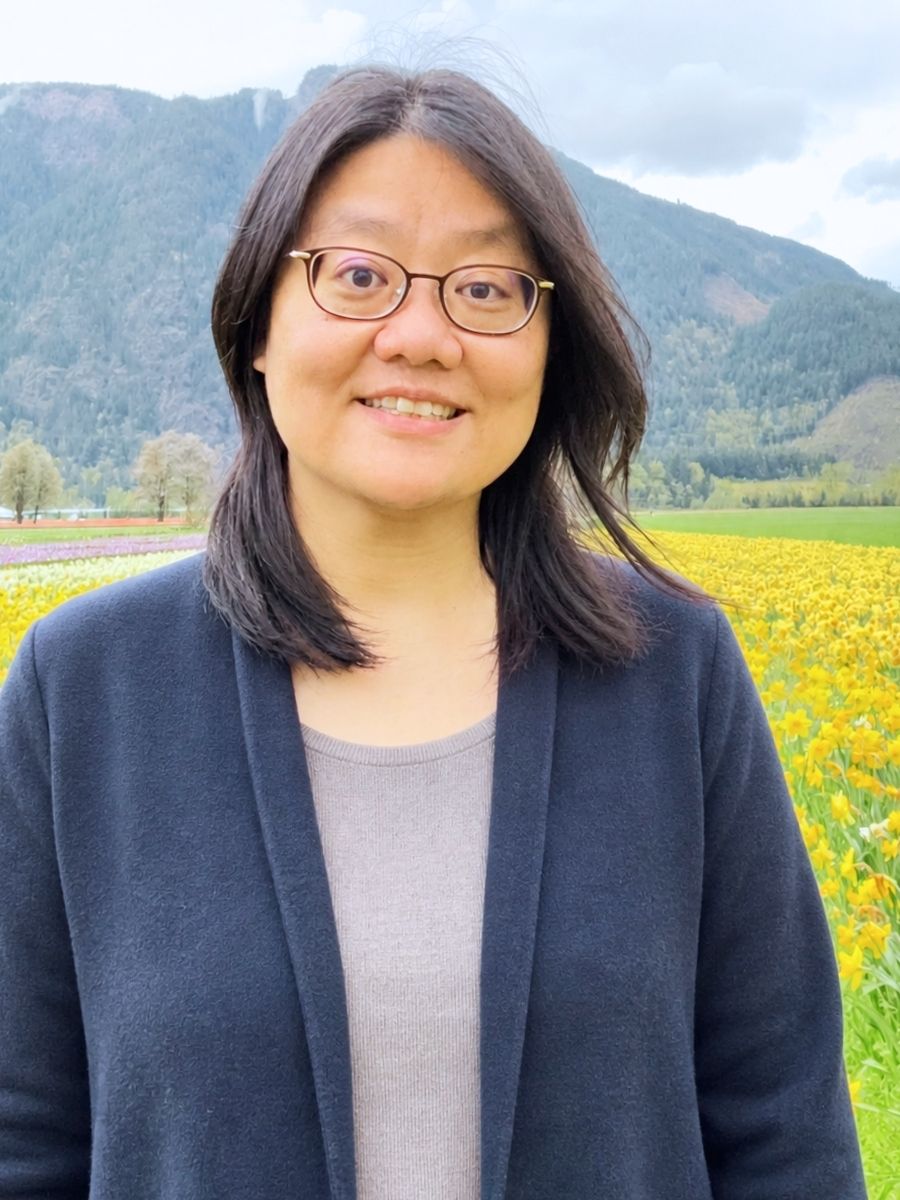
Jenny Hsu, Registered Clinical Counsellor in Vancouver, providing trauma and relationship counselling

My Approach

We do not have to rush into the hardest parts

Trauma counselling does not mean you have to retell everything all at once. We can begin gently, with what feels present now.

My role is to create a steady and respectful space where you can feel safe enough to slow down, notice what is happening inside, and begin to understand your responses with compassion.

From an EFT and attachment-based lens, we may explore how past hurt has shaped your sense of safety, your relationships, and the ways you have learned to protect yourself.

I offer culturally sensitive and LGBT-affirming care, with an understanding that trauma, identity, family expectations, culture, and belonging can be deeply connected. You are welcome here as you are.

We move at your pace — not by forcing change, but by helping you feel less alone with what you have been carrying.
Here, we begin gently

In trauma-related counselling,

we don’t need to rush back into the past,

and we don’t need to talk about everything all at once.

I will be here with you, starting from what you’re feeling right now—

gently making sense of how these responses formed,

and what they may be trying to protect.

We move at your pace.

If you’re not ready, you don’t have to push yourself to face anything before you are.

Over time,

your body and emotions can begin to settle,

and you may start to feel a sense of safety and control again.

Starting Counselling

You do not need to have
all the answers before you begin

Many people feel unsure about what to say when they first reach out to a counsellor. You may also wonder whether what you are going through is “serious enough.” You do not need to have everything sorted out first. We can begin with what feels most difficult, confusing, or in need of care right now.

01

Book a free 20-minute consultation

You can briefly share what has been going on, ask about my approach, fees, availability, and get a sense of whether I may be the right fit to support you.

02

Schedule your first counselling session

If it feels like a good fit, we can book your first session. You do not need to go deep right away. We will begin by gently understanding what you are carrying and what you need.

03

Move at your own pace

In counselling, I will support you in slowly understanding your emotions, body responses, relationship patterns, and how past hurt may still affect your sense of safety today.

04

Review progress and direction together

Along the way, we will check in on whether counselling feels helpful and adjust the direction based on your needs, rather than asking you to follow a fixed path.

If you are considering trauma counselling, you can begin with a free consultation.

Book a Free 20-Minute Consultation

Frequently Asked Questions

What you may want to know
about trauma counselling

Do I have to talk about everything that happened?

No. Trauma counselling does not mean you have to share every detail all at once, and it is not about making you relive painful experiences. We can begin with what feels most present now — your emotions, body responses, or difficulties in relationships — and move at a pace that feels safe enough for you.

Can I come to counselling if I am not sure whether what I experienced was trauma?

Yes. You do not need to label your experience before reaching out. If you often feel tense, easily triggered, unable to relax, or find it hard to feel safe in relationships, these can be meaningful places for us to begin.

What does trauma counselling look like?

I work in a gentle, steady, and collaborative way that respects your pace. Together, we may explore emotions, body responses, attachment wounds, and how past experiences may still affect your sense of safety, trust, and relationship patterns today.

Do you offer culturally sensitive and LGBT-affirming trauma counselling?

Yes. I offer culturally sensitive and LGBT-affirming care. Trauma, identity, family expectations, culture, gender, sexuality, and belonging can be deeply connected. You are welcome here as you are.

Can I do trauma counselling in Mandarin or English?

Yes. I offer counselling in both Mandarin and English. For many people, being able to speak in the language that feels most natural can make it easier to express emotions, family experiences, and cultural context.

Do you offer online trauma counselling?

Yes. I offer in-person counselling in Vancouver and online counselling across BC. If coming to the office is not convenient, or if it feels easier to speak from your own space, online counselling can also be a steady and supportive option.

You do not have to hold this alone.
You can begin with a simple consultation.

If you are experiencing trauma responses, feeling unsafe in relationships, or noticing that you have been tense, tired, or holding everything together for a long time, you are welcome to start with a free 20-minute consultation.