If this feels familiar, you’re not alone

Family relationships can be some of the most meaningful relationships in our lives — and also some of the most painful.
You may love your family, but still feel misunderstood, criticized, dismissed, or emotionally distant. Conversations may quickly turn into arguments, silence, guilt, or defensiveness. You may find yourself thinking, “Why is it so hard for us to talk?”
Sometimes family conflict is not only about one conversation. It can be connected to years of feeling unheard, pressured, compared, responsible for others, or unsure how to express what you really feel.
Family counselling can offer a safe and structured space to slow down these painful patterns, understand what is happening underneath the conflict, and begin to rebuild connection with more care.

Culturally Sensitive Family Counselling

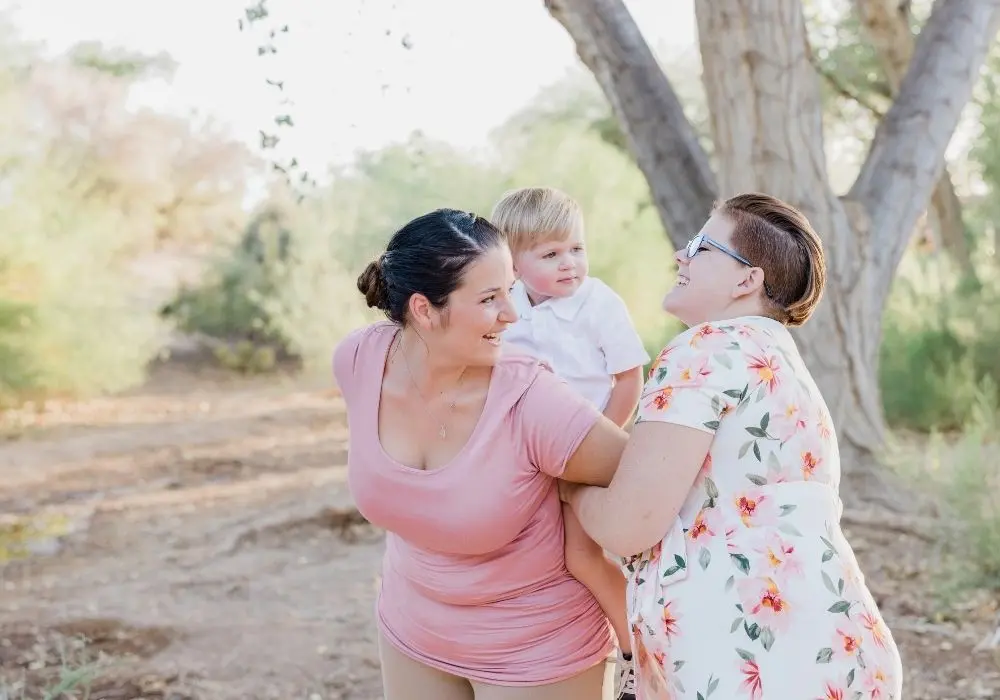
Family relationships are shaped by culture, migration, language, identity, family roles, and lived experience.
In many immigrant, Asian, Chinese, Taiwanese, and BIPOC families, love may not always be expressed directly through words. Care may show up through worry, advice, sacrifice, responsibility, or wanting the best for someone — even when it does not always feel supportive to the person receiving it.
Family counselling can create space for these differences without blaming one person or asking anyone to abandon their values. Together, we can slow down the conversation and better understand the emotions, needs, fears, and hopes underneath the conflict.
I also offer LGBTQ+ affirming family counselling for families navigating sexuality, gender identity, coming out, acceptance, cultural expectations, and belonging.

LGBTQ+ Affirming Family Counselling

Coming out can be an important, sensitive, and difficult process for many families.
For parents, a child coming out may bring more than surprise or confusion. It may also come with a sense of loss — a loss connected to the hopes, expectations, or images they once held about their child’s life, relationships, marriage, or future family.
Some parents may feel confused, worried, afraid, or even a kind of grief that is hard to name.
For the child, this process can also be painful. When parents’ expectations collide with their authentic identity, what they feel may not be only a difference of opinion. It may feel like distance, disappointment, rejection, or the loss of the connection they once had with their parents.
For LGBTQ+ children who already face stigma, bias, or discrimination outside the home, family may be the place where they most hope to feel understood and emotionally held. What they often long for is not to be persuaded or corrected, but to be seen, understood, and loved as who they truly are.
But sometimes, that understanding can begin to feel like something they have to fight for. A child may not only be managing their own emotions, but also spending a great deal of energy explaining, teaching, reassuring, or even telling parents how to treat them. Over time, this can feel exhausting and lonely.
Parents may feel
Children may feel
In family counselling, we can create a safe, confidential, and non-judgmental space where each family member has room to slowly share what they are feeling, while also beginning to understand what the conflict and hurt are really carrying underneath.
Working with a queer therapist who understands Chinese culture and specializes in coming out conversations can sometimes help these conversations feel less misunderstood and more possible.
This is not only about identity. It often also involves culture, family roles, expectations, and emotional connection.
The goal is not to change who someone is, or to decide who is right or wrong. It is to help the family slowly find more understanding, connection, and new ways of relating in the space between hurt, loss, and love.
How I Work With Families
Family counselling is not about deciding who is right or wrong.
My role is to help each person feel heard, while also helping the family understand the pattern that keeps everyone stuck.
I draw from Emotionally Focused Family Therapy (EFFT), attachment-based therapy, and trauma-informed care to help families slow down difficult conversations and understand what is happening underneath the conflict.
Together, we work toward more honest conversations, deeper understanding, and new ways of relating with more care.
In family counselling, we may explore:
What happens when someone feels hurt, dismissed, criticized, or misunderstood?
How does each family member protect themselves when emotions feel too intense?
What does each person long for, but struggle to express?
What past hurts or cultural expectations keep getting activated?
How can the family begin to respond differently?
What to Expect
You do not need to know exactly how to begin. We start by understanding what brings your family to counselling, who may be involved, and what each person hopes can be different.
We talk about what has been feeling difficult, what keeps repeating, and what each person hopes can shift in the relationship.
When conversations become fast, reactive, or overwhelming, I help create enough structure so each person has room to speak and be heard.
Together, we explore the emotions, needs, fears, expectations, and past hurts that may be shaping the family pattern.
Over time, the goal is to support more respectful conversations, more understanding, and small but meaningful moments of repair.
Family counselling may include two or more family members. This could mean a parent and adult child, siblings, partners and relatives, or other family members who are part of the concern.
Frequently Asked Questions
Starting family counselling can bring up many questions. Here are a few things that may help you understand what the process can look like.
Not always. Family counselling can include two or more family members. This may be a parent and adult child, siblings, partners and relatives, or other family members who are part of the concern. We can talk about what format makes the most sense during consultation.
No. My role is not to decide who is right or wrong. I help each person feel heard while also supporting the family to understand the pattern that keeps conflict, distance, or hurt repeating.
Yes. I often support parents and adult children who feel stuck in painful conversations, cultural or generational differences, family expectations, emotional distance, or past hurts that have not been fully repaired.
Yes. I offer culturally sensitive family counselling in English and Mandarin. I understand that family relationships may be shaped by migration, language, culture, intergenerational expectations, and different ideas about respect, care, independence, and responsibility.
Yes. I offer LGBTQ+ affirming family counselling and can support families navigating sexuality, gender identity, coming out, acceptance, cultural expectations, and belonging. The goal is to create safer conversations with more understanding and less harm.
Yes. I offer online family counselling across BC and in-person family counselling in Vancouver. Online sessions can be helpful when family members live in different places or have different schedules.
Begin Gently
Family counselling can be a place to slow down painful conversations, understand what has been happening underneath the conflict, and begin finding new ways to relate with more care.
Whether your family is navigating parent-child conflict, cultural differences, coming out, identity, emotional distance, or past hurts, we can start with a free consultation and talk about what support may feel right.
In-person in Vancouver
·Online across BC
·English & Mandarin
I live and work on the traditional, ancestral, and unceded territories of the xwməθkwəy̓əm (Musqueam), Skwxwú7mesh (Squamish), and səlil̓ilw̓ətaʔɬ (Tsleil-Waututh) Nations.
Love Heals Counselling and Consulting © 2026. All Rights Reserved.
We use essential cookies to make this website work and optional cookies to understand how visitors use the site. You can accept, reject, or manage your preferences at any time.